Washington, D.C. December 7, 2006. In 2004, Roger Barnes, a former Fannie Mae accounting manager, blew the whistle on Fannie Mae for large irregularities in financial records which ultimately led to the toppling of Fannie Mae’s CEO and other executives. A new Fannie Mae whistleblower has emerged this week, detailing the continuing culture of corruption within the mortgage-finance giant. Thomas S. Inman, who was a Fannie Mae financial manager, was the latest replacement for Roger Barnes. Mr. Inman investigated system errors that he found to be orders of magnitude larger than the estimates Fannie Mae had previously provided to one of its federal regulators, the Office of Federal Housing Enterprise Oversight (OFHEO). When he reported these errors internally he was swiftly removed from restatement work. Not long after, he met the same fate as Mr. Barnes when he was terminated without notice and escorted off Fannie Mae premises.
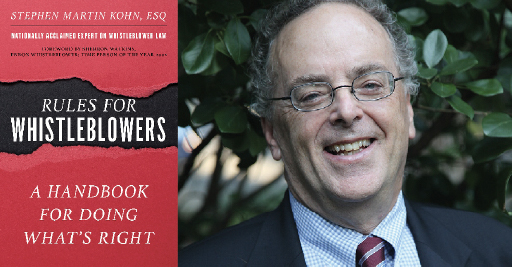
Mr. Michael Kohn, of the Washington, D.C. based National Whistleblowers Center, represents Mr. Inman in a Sarbanes-Oxely whistleblower complaint before the Department of Labor. It was this complaint that prompted the OFHEO to open an investigation into Mr. Inman’s allegations. “Fannie Mae management has not learned its lesson. In fact, a mere two years after a major accounting scandal that reached all the way to the CEO’s office, the culture of corruption continues to exist,” stated Mr. Kohn.