Urge state parties to strongly advocate for effective prosecutions for corruption activities, including foreign bribery and money laundering.
Join us in advocating for effective anti-corruption prosecutions!
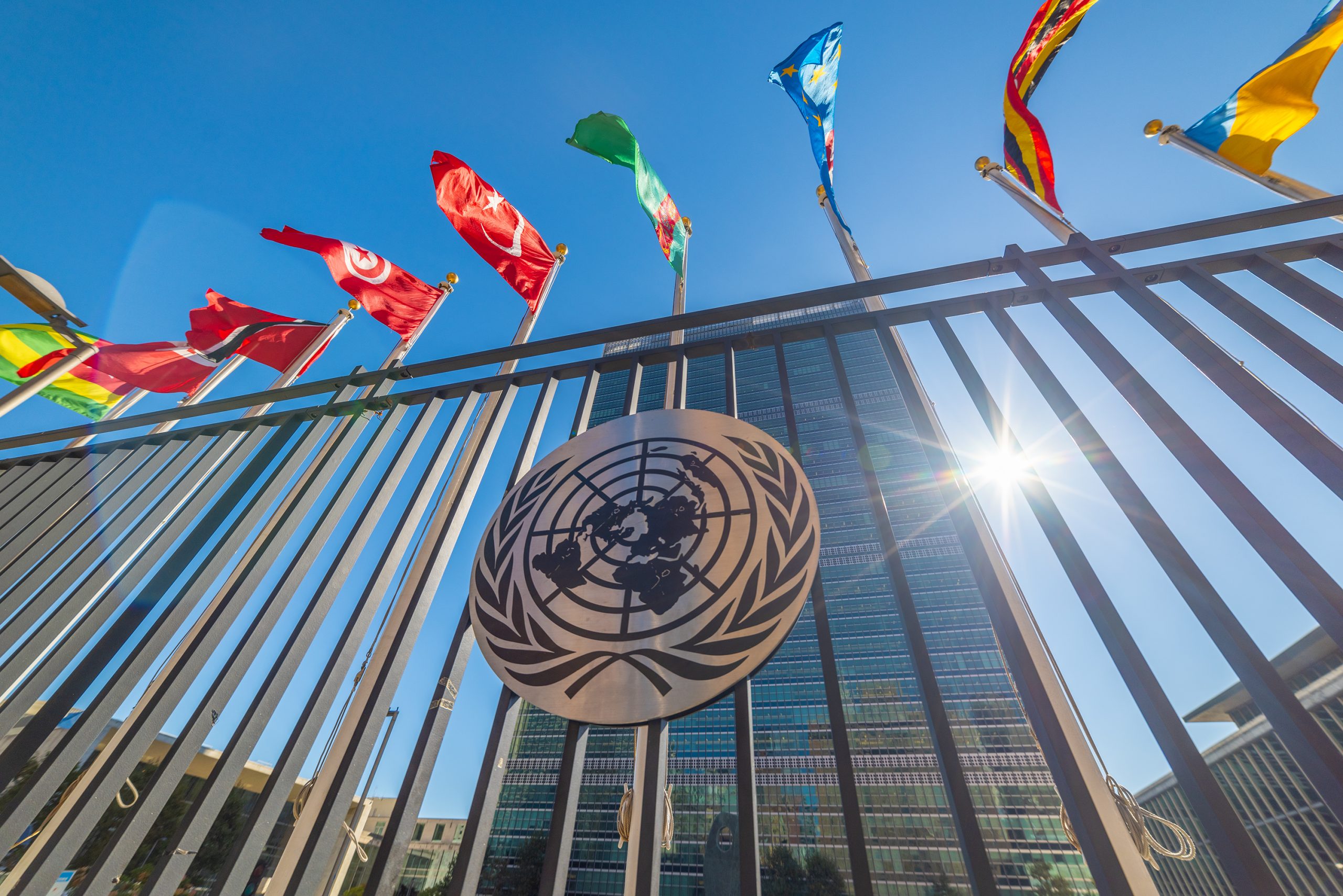
On December 15-19, the National Whistleblower Center (NWC) will be actively participating in the “Conference of the State Parties (CoSP 11)” to the United Nations Convention Against Corruption (UNCAC). This is the most important opportunity for human rights defenders and NGO’s to demand in the strongest possible terms that State Parties seriously and effectively prosecute the crimes related to transnational corruption including bribery and money laundering.
As an approved NGO “observer” for the Convention, NWC is working with a network of anti-corruption organizations, agencies, and human rights defenders to support the introduction of an urgent proposal supporting the implementation of critically needed whistleblower/anti-corruption practices to combat transnational crimes such as bribery and money laundering.
Enforcement of laws such as the Foreign Corrupt Practices Act and Anti-Money Laundering protections are at a critical crossroads, and the need for increased enforcement should be high on the Convention’s agenda. With diminishing U.S. leadership on the fight against international corruption, it’s more crucial than ever for other State Parties to take enact effective international anti-corruption laws. Moreover, it is absolutely essential that NGO’s and human rights defenders be made aware of existing effective anti-corruption laws that provide the best protection and compensation for whistleblowers.
Today, there is a conspiracy of silence resulting in a majority of whistleblowers worldwide not being informed of their rights. With the NWC proposal, we aim to put an end to this unethical state of affairs.
Read our proposal for Enhancing Foreign Bribery and Money Laundering Prosecutions. We need every anti-corruption, NGO, and human rights defender worldwide to sign this proposal to compel State Parties to initiate effective anti-corruption prosecutions and whistleblower protections.
For more information, visit the fact sheet.
Please consider donating today to support our trip to United Nation’s CoSP11 conference to advocate for effective prosecutions on corruption activities around the world.
Enhancing Foreign Bribery and Money Laundering Prosecutions
The goal = anti-corruption enforcement
Anti-corruption enforcement globally depends on investigating and sanctioning transnational corruption, which depends on getting reports from whistleblowers who have insights into the highly complex criminal activity.
The data is clear: white collar whistleblowers report (a) when their identity is kept anonymous, (b) they are compensated for the value of their information, and (c) they know their tips can lead to enforcement action. This is not a proposal about how to protect whistleblowers once they have been harmed; it is a proposal about how to activate whistleblowers as the valuable source they are, which requires protecting them from the start.
The goal is threefold: (1) encourage states to implement best practice whistleblowing and anti-corruption laws, (2) urge states to educate whistleblowers about their rights abroad, (3) work with states through the Implementation Review Mechanism (IRM) to accomplish goals #1 and #2.
NGOs and Human Rights Defenders also have a major role to play in these goals, particularly education and implementation, so we want to mobilize broad support amongst the CSO community.
Summary of the Proposal
Clauses 1-5: Makes Corruption Risky and Whistleblowing Advantageous
-
Calls upon states to implement best practice whistleblower programs and anti-corruption laws. Includes large civil penalties for bribery + money laundering.
-
Encourages states to invest in + incentivize anti-corruption. Recommends mandatory financial compensation for whistleblowers, investment of recoveries in civil society and prosecutorial support.
CLAUSE 6: Urges states to educate public about transnational reporting options
-
Fully educate whistleblowers about their rights, including reporting abroad when more protective. This is in accordance with Clause 2 of Resolution 10/8 to the UNCAC.
-
Help whistleblowers understand protections of personal and financial security that may be offered in other jurisdictions.
CLAUSE 7: Develop targeted assistance through the IRM
-
Help countries identify effective incentive programs provided they demonstrate implementation of requisite whistleblower protections and law enforcement capacities.
-
Work with states to develop public awareness campaigns about their rights. Help whistleblowers understand protections of personal and financial security that may be offered in other jurisdictions.
This Proposal is Motivated by the OBJECTS + PURPOSES of UNCAC (see relevant articles paraphrased below)
Article 1
To promote/strengthen measures to prevent/combat corruption more efficiently + effectively AND promote international cooperation in the fight against corruption.
Article 5
To develop and implement effective, coordinated anti-corruption policies that promote the participation of society and reflect the principles of the rule of law.
Article 13
To promote the active participation of civil society in the prevention of and the fight against corruption and to raise public awareness regarding the threat posed by corruption.
Article 14 & 23
To deter and detect all forms of money laundering.
Article 15, 16 & 21
To enact legislation to criminalize bribery, in the public and private sector.
Article 26
To establish criminal, civil, or administrative sanctions against corruption sufficient to ensure that violators will be subject to effective, proportionate and dissuasive sanctions.
Article 32 & 33
To protect whistleblowers who report on reasonable grounds to the competent authorities.
Relevant Resources
- Lockhart, Eliza (2024). The Role of Financial Rewards for Whistleblowers in the Fight Against Economic Crime. Royal United Services Institute.
- Phase IV Report to the United States: Implementing the OECD Anti-Bribery Convention. Organization for Economic Co-operation and Development (OECD).
- Theo Nyreröd, Stelios Andreadakis, and Giancarlo Spagnolo (2023). Money laundering and sanctions enforcement: large rewards, leniency and witness protection for whistleblowers. Journal of Money Laundering Control 26 (5): 912–925